
Putting our spaces to work: Why retail is at its best when it's personal
Last week, I stood in a classroom in Pukekohe that looked exactly like one of our supermarkets. I watched Callum - a young boy who usually finds the noise and rush of the world a bit much - put on a green Woolworths’ apron and hat. His shoulders lifted, and he stood a little taller. With determination, he picked up a packet of pasta, scanned it at his register, and looked up at his teacher with a smile that could have lit up all of Auckland. The smiles of the parents were even broader.
In quiet moments like that, purpose becomes clear.
Retail is often measured in supply chains, logistics, and foot traffic. Yet when we collaborate with communities, a supermarket becomes far more than just shelves and cash registers. We love serving our customers and communities, so it's natural to ask how we can use our physical spaces, our logistics networks, and our daily routines to make people’s lives genuinely better. Usually, the answer appears from daily moments on our shop floors.
The classroom that became a supermarket
That classroom I visited is part of our Mini Woolies programme. For young people with learning disabilities, transitioning from the supportive environment of school into a fast-paced workplace can feel like a massive and overwhelming leap.
Mini Woolies bridges that gap. Our store teams partner with specialist schools and training institutions to bring hands-on learning functioning supermarkets directly into their classrooms. Here, students can practise organising shopping lists, stocking shelves, serving customers, and operating registers (with technical support from our partner Fujitsu) using play money, building real-world literacy, numeracy, and social confidence at their own pace.

The growth of this initiative across Aotearoa has been awesome. On 20 November we welcomed Parkside Specialist School in Pukekohe and Rotorua Specialist School, bringing our New Zealand total to ten sites - part of 142 sites across Australasia since 2018.
Each classroom is a labour of love. Our store design teams map out custom layouts, shopfitters install genuine checkouts and shelving, and local store teams donate time to set up stock, arrange ticketing, supply uniforms, and train the students on customer engagement and service. That commitment continues through curriculum-aligned learning guides, and pathways into future retail roles.
The calm of a daily quiet hour
While Mini Woolies helps build future independence, we also want our stores to be welcoming and accessible right now.
For autistic, neurodivergent, or sensory-sensitive customers, a standard grocery trip can be a sensory minefield:. The high-pitched checkout beeps, bright fluorescent lights, background music, and overhead announcements quickly turn a simple errand into a stressful experience.
After trialling Quiet Hour at Countdown Marton in 2018, the moving response led us to expand it nationwide. Accessibility is more than a weekly event. Families need the flexibility that fits their lives. Quiet Hour now runs seven days a week, from 2:30pm to 3:30pm, in every Woolworths store across New Zealand.
That daily hour sees our teams dial down the environment: turning off the radio, lowering scanner volumes, dimming lights where possible, and pausing noisy shelf-stocking and announcements.
There is always more to do, but this simple daily adjustment offers instant relief, letting people shop without judgement, and making sure all feel welcomed, recognised, and considered.
Sharing the harvest: Logistics with heart
This same belief - that our networks can simultaneously serve our community - is what drives our daily food rescue efforts.

Every morning before our doors open, our store teams sort fresh, chilled, and pantry items nearing their display dates. Instead of heading to landfill, this food is packed into crates and handed directly to local food rescue groups. It is a massive, quiet daily operation that last year alone put more than 10 million meals on Kiwi tables, alongside more than $1 million in cash grants across 30 partners such as KiwiHarvest.
We also run the physical logistics for The Foodbank Project, The Salvation Army’s online donation platform. When Kiwis donate groceries online, our teams personally pick those items at a discount, waive the delivery fees, and drop them straight to local foodbanks.
It is retail logistics put to work beyond our own business, ensuring families get fresh, nutritious groceries when they need them most.

Sharing our learnings
Inclusive design doesn’t need to be a corporate ‘nice-to-have’ or a cost line on a balance sheet. It’s an investment in human dignity, team pride, and community trust. It can also be an incredible opportunity, with many cases of inclusion concurrently being examples of smart commercial strategy.
Internally, our team members feel immense pride seeing the real-world difference they make on the ground. Externally, it builds lasting trust with families who feel seen and valued, and can create job opportunities of the future.
Our learnings? Don’t wait for a massive budget or a flawless plan. Start small, pilot in one store, and listen closely to your frontline teams - they know your communities best.
Whilst we recognise and celebrate our fantastic team and communities, real, lasting change isn’t about headlines. It comes from weaving quiet, daily consideration into everyday operations, and repeating it until the impact endures.
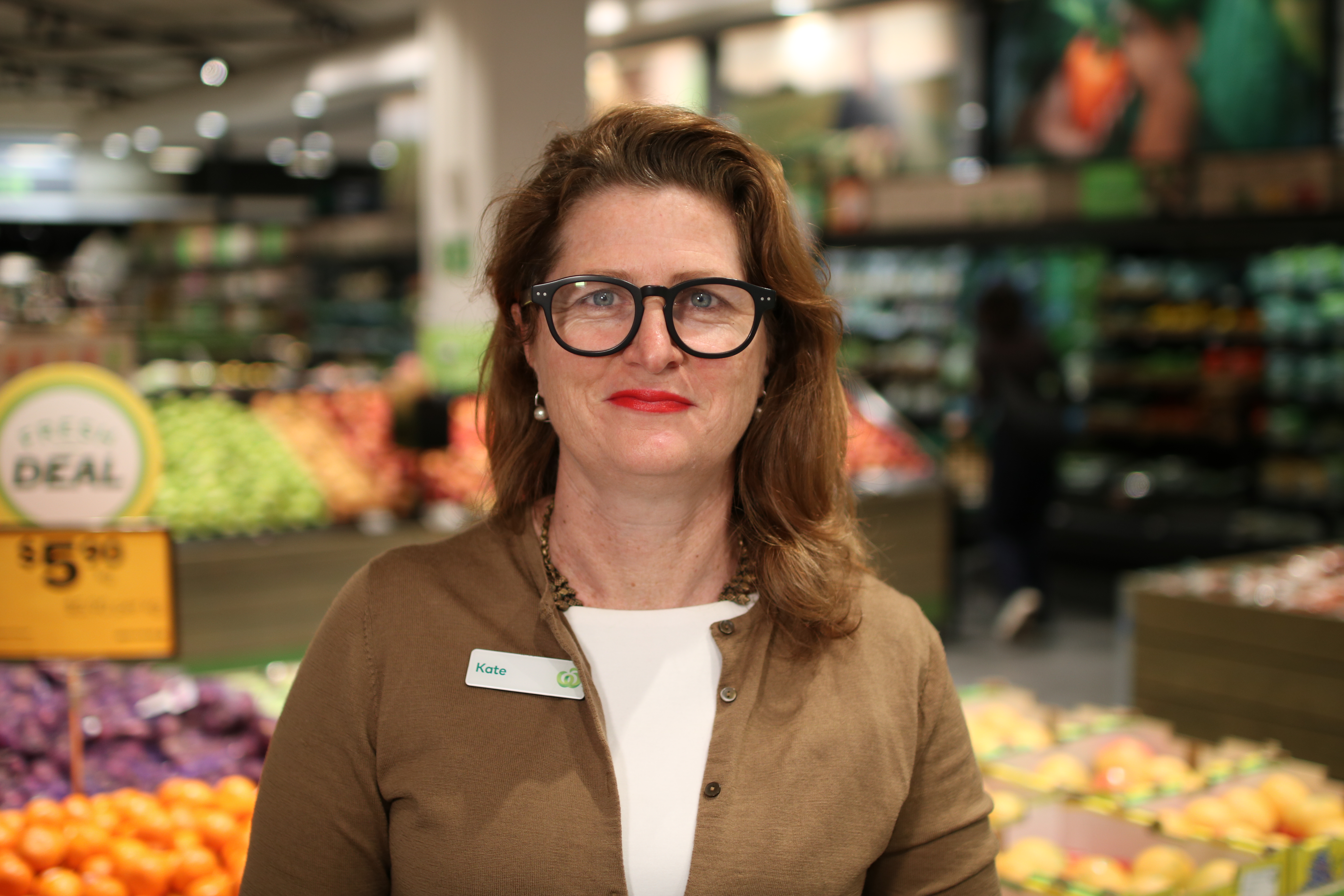
Kate Eastoe is General Manager Public Affairs, Communications & Sustainability of Woolworths Group, New Zealand


Comments